Why Fast Medical Courier Services Are Critical for Patient Care
Imagine a heart attack patient in a small town hospital. Doctors draw blood to check enzyme levels. If that sample sits in a regular mail truck for hours, the results come too late. The window to save the patient's life slams shut. Fast medical courier services step in here. They rush samples to labs in under an hour. This speed turns potential tragedy into recovery.
Medical courier services go far beyond dropping off packages. They handle items like blood vials, frozen tissues, or even organs. These materials need exact temperatures and careful packing. Delays can ruin them. Without quick transport, tests fail. Treatments stall. Patient care suffers.
Fast and reliable
medical couriers form the backbone of healthcare. They ensure diagnostic accuracy. They boost treatment success. They even save lives by cutting wait times.
Reducing Diagnostic Delays Through Rapid Specimen Transport
Lab results guide every doctor's choice. Slow transport means slow answers. Fast medical couriers change that.
The Criticality of the "Golden Hour" in Lab Results
Turnaround time matters most in emergencies. For a stroke patient, brain scans and blood work must return fast. Standard mail can take days. Dedicated medical logistics cut it to minutes. This "golden hour" lets physicians act before damage spreads.
Think of sepsis cases. Infection spreads quick. A blood culture needs to reach the lab now. STAT lab transport services use GPS routes to dodge traffic. They deliver in 30 minutes or less. Studies show this halves mortality rates in urgent infections.
Urgent specimen delivery isn't a luxury. It's a must for timely care.
Maintaining Specimen Integrity from Point of Collection
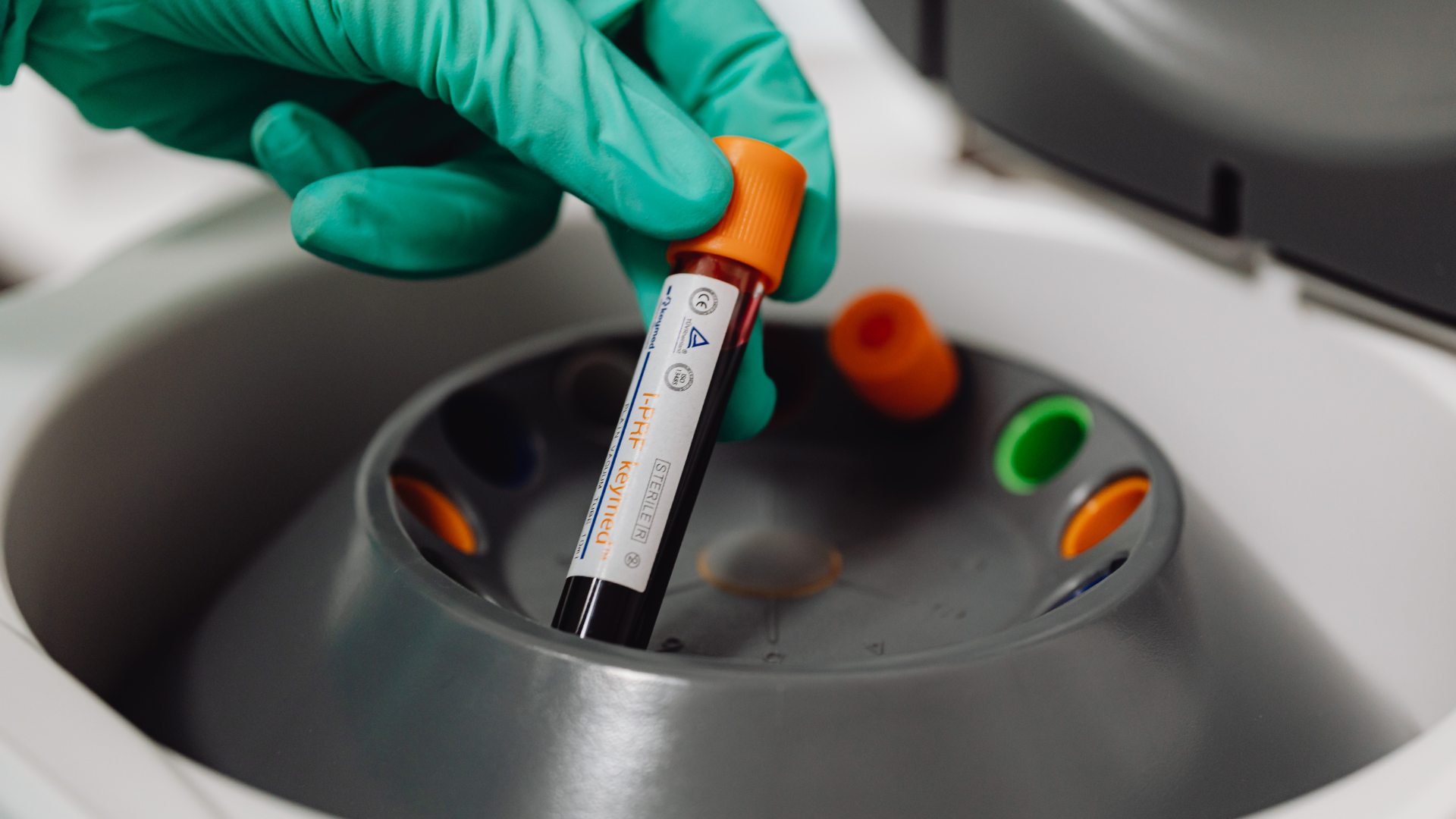
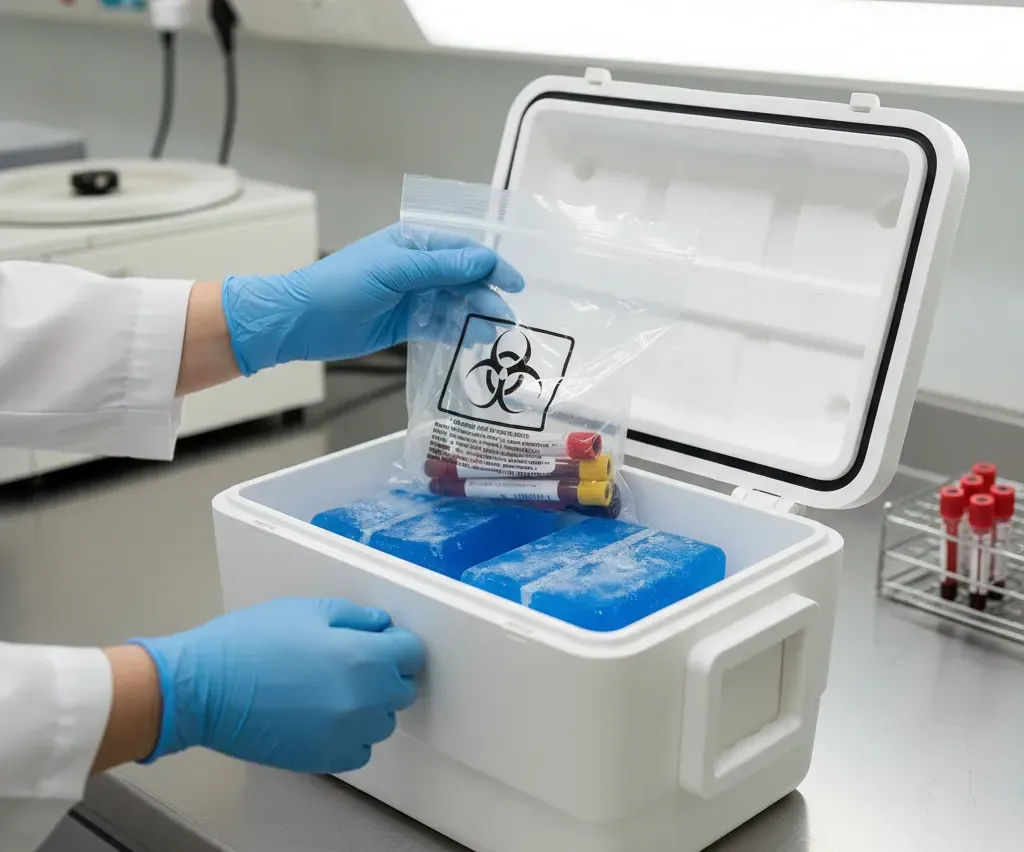
Samples degrade fast without proper care. Blood cells break down in heat. Urine tests lose accuracy if jostled. Medical couriers follow strict rules. They use padded boxes to cut vibrations. Double bags prevent leaks.
Regulations like IATA for air shipments and DOT for ground ensure safety. Couriers pack biohazards in leak-proof containers. They label everything clear. This keeps samples viable.
Nurses can prep samples right. Here's a quick checklist:
- Label vials with patient ID and time drawn.
- Seal in biohazard bags.
- Add ice packs for cold needs.
- Call courier for same-hour pickup.
- Track via app for peace of mind.
These steps make urgent specimen delivery smooth.
Impact on Cancer Diagnosis and Staging
Cancer waits for no one. A biopsy from a tumor needs quick path to the lab. Delays in processing tissue can push back staging. Treatment plans halt.
In one case, a rural clinic sent a breast biopsy sample via fast courier. It reached the city lab in two hours. Results confirmed early-stage cancer. Chemo started that week. Without speed, the tumor might have grown.
Regional labs centralize expertise. Fast transport links them to small towns. This cuts diagnosis time from weeks to days. Patients get answers sooner. Hope builds faster.
Supporting Time-Sensitive Interventions and Treatments
Treatments demand precision timing. Organs die without it. Blood runs out in crises. Medical couriers bridge these gaps.
Organ and Tissue Transplant Logistics: The Race Against Ischemia Time
Organs have short lives outside the body. A kidney lasts 24 to 36 hours. Hearts? Just four to six. Ischemic time—the clock ticking on viability—starts at harvest.
Organ transplant couriers race the clock. They use dedicated jets or vans with oxygen. One transplant center in 2024 saved a liver by flying it 500 miles in 90 minutes. The patient walked out alive months later.
Speed here isn't optional. It's survival.
Precision Tracking and Chain of Custody for High-Value Cargo
Every step counts for organs. GPS tracks the vehicle live. Sensors watch temperature and humidity. If a package warms up, alerts ping the team.
Chain of custody logs who handles what. This meets FDA rules. No gaps mean no mix-ups. Real-time data shares with surgeons. They prep exact.
Technology like RFID tags seals packages. Scans confirm at drop-off. This setup protects high-value cargo. Patients trust the process.
Emergency Blood and IV Product Delivery
Hospitals stock blood, but not always rare types. A car crash victim needs O-negative now. Couriers dash from blood banks to ERs.
In ICUs, IV drugs like platelets spoil quick. Fast delivery keeps shelves full. One study from the Red Cross found urgent blood transport cut wait times by 70%. Fewer deaths follow.
Surgery teams rely on this too. A sudden bleed mid-op? Courier brings fresh units in 20 minutes. Lives hang on that rush.
Need a Reliable Medical Courier?
Ensure your next time-sensitive delivery is handled by specialists who understand the stakes.
Enabling Decentralized Healthcare and Remote Patient Monitoring
Care spreads out. Not every patient fits in a big hospital. Couriers connect the dots across miles.
Connecting Rural and Urban Healthcare Ecosystems
Rural clinics lack on-site labs. A farmer with chest pain needs EKGs sent to city experts. Fast couriers make it happen.
They bridge gaps in underserved spots. In 2025, telehealth booms. But samples still travel physical. Rural healthcare logistics ensure equity. No one waits weeks for basic tests.
Specialty labs in cities handle complex work. Connecting them via quick routes means better outcomes. Patients in remote areas get top care.
Optimizing Clinical Trial Recruitment and Drug Distribution
Trials test new drugs. Samples from participants must arrive fresh. Delays skew data. Fast logistics keep trials on track.
Investigational meds go to sites nationwide. Couriers use cold chains to preserve them. One oncology trial in 2024 enrolled 500 more patients thanks to reliable pickup. Safety stayed high.
This speed aids recruitment. Sites join easier. Patient safety rises with prompt delivery.
The Shift Towards Home Health and Phlebotomy Services
Home care grows. Nurses draw blood at your door. But labs are miles away. Couriers pick up within the hour.
Samples from home degrade like any other. Quick transport prevents that. For diabetics monitoring insulin, daily vials reach labs same day. Adjustments come fast.
This trend cuts hospital visits. Patients heal comfy. Couriers make it real.
Regulatory Compliance, Security, and Specialized Equipment

Rules keep everyone safe. Medical transport follows them tight. General services can't match.
Navigating Biohazard and Hazardous Material Regulations (HAZMAT)
Couriers train in OSHA standards. They learn to pack infectious items. Labels scream "biohazard." Manifests list contents.
General trucks skip this. Medical logistics compliance avoids fines. It protects drivers and public.
In 2025, stricter DOT rules hit. Trained teams handle regulated medical waste transport. Spills stay zero.
Security Protocols for Sensitive Patient Data (HIPAA/GDPR Considerations)
Packages carry more than samples. Forms hold names and histories. Locked boxes keep them safe.
Chain of custody verifies handlers. Digital logs encrypt data. HIPAA demands this in transit.
Breaches cost trust. Secure protocols build it. Patients share info freely.
Utilizing Specialized Transport Vehicles and Cold Chain Technology
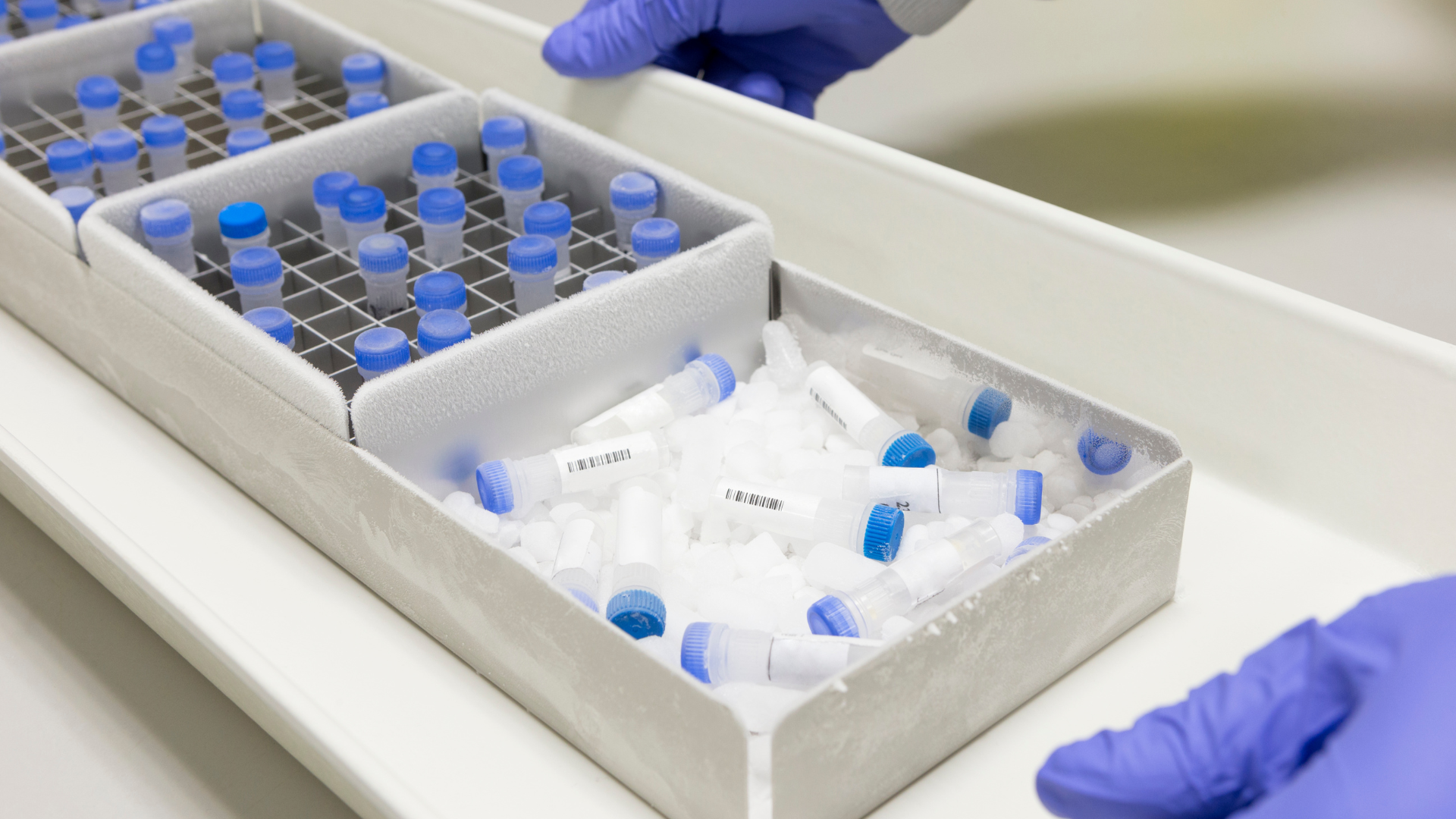
Vans with fridges maintain 2-8°C. Dry ice packs cool for hours. Passive shippers validate for flights.
Pharma like vaccines need unbroken cold chains. Breaks ruin batches. Couriers test gear yearly.
One insulin delivery in winter used heated units. Patient got it viable. Tech saves days.
Investing in Speed as an Investment in Life
Fast medical courier services cut anxiety. Patients wait less for news. Treatment paths clear quicker.
These pros bring specialized skills. They know regs and handling. General delivery falls short.
Bet on top couriers for quality care. It's a win for providers and patients alike. Choose speed. Save lives.
Don't Let Logistics Slow Down Care
Get a dedicated, compliant medical courier quote tailored to your facility's needs today.