How HIPAA Compliance Protects Medical Deliveries in Transit
A package with life-saving drugs is crossing the country. Inside, it holds not just medicine but patient details that could ruin lives if stolen. Medical deliveries face real threats from theft or accidents that expose sensitive data.
HIPAA stands for the Health Insurance Portability and Accountability Act. It sets rules to protect patient health information, known as PHI. This law applies to healthcare providers, plans, and their partners.
This article explains key HIPAA rules and steps to keep medical shipments safe. It covers everything from start to end delivery. You will learn how to shield PHI in transit and avoid big risks.
Understanding PHI in the Logistics Chain
Defining Protected Health Information (PHI) in Transit Scenarios
PHI includes any info that links to a patient's health or care. In shipments, it shows up in labels, invoices, or logs. For example, a box of vaccines might have stickers with names and addresses.
Medical deliveries often carry items like patient meds or test kits. These come with packing slips listing names or IDs. Tracking sheets might note orders tied to treatment plans.
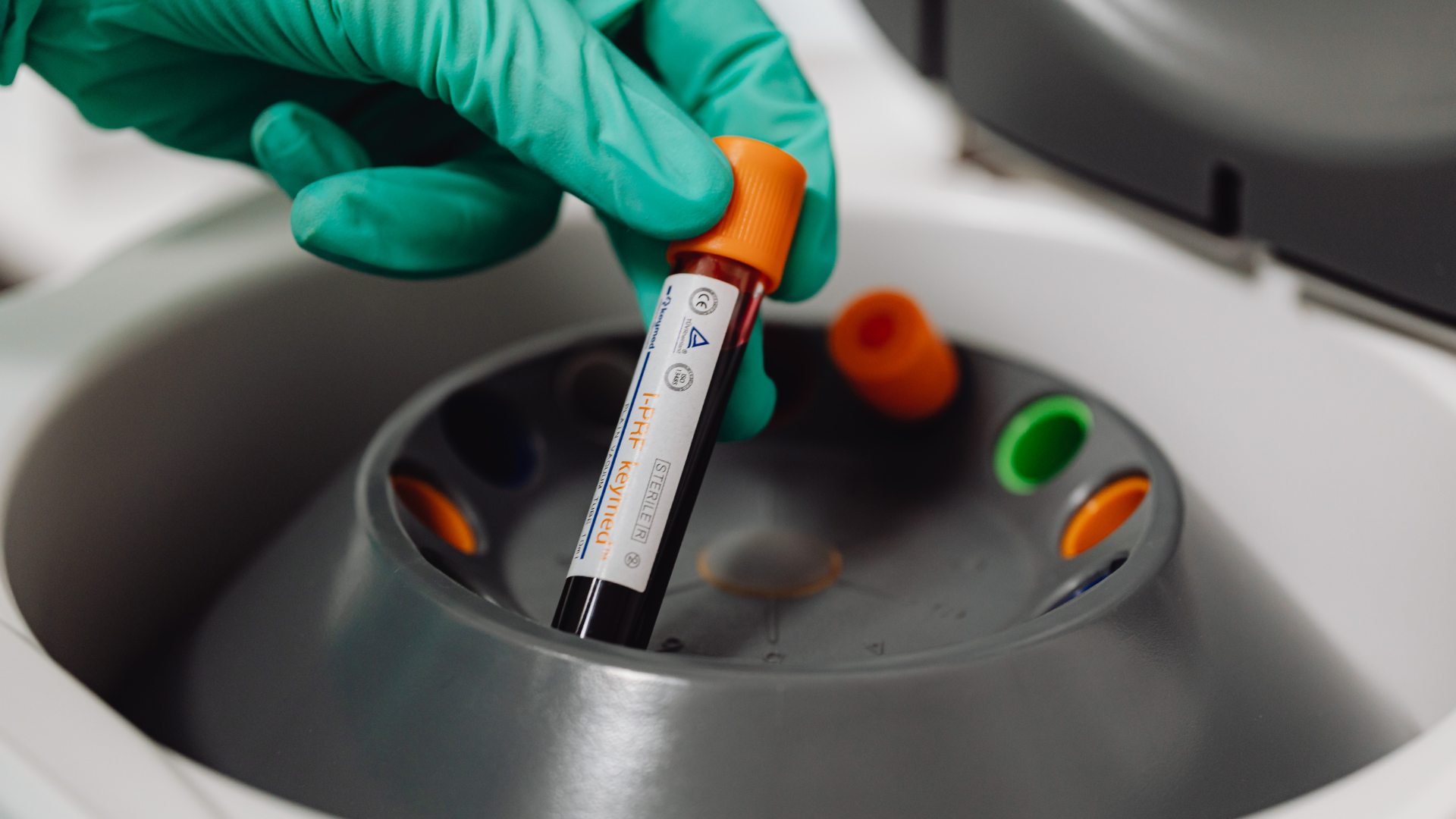
Temperature logs track cold storage for drugs. These files connect batches to specific patients. If lost, they reveal who gets what care.
HIPAA covers all these forms. It demands protection at every step. Shippers must treat PHI like cash in a vault.
The Scope of HIPAA: Beyond the Covered Entity
Covered entities include hospitals and doctors. They handle PHI directly. But HIPAA reaches further to business associates.
Business associates are partners like labs or couriers. They access PHI for the entity. Subcontractors, such as truck drivers, fall under this too.
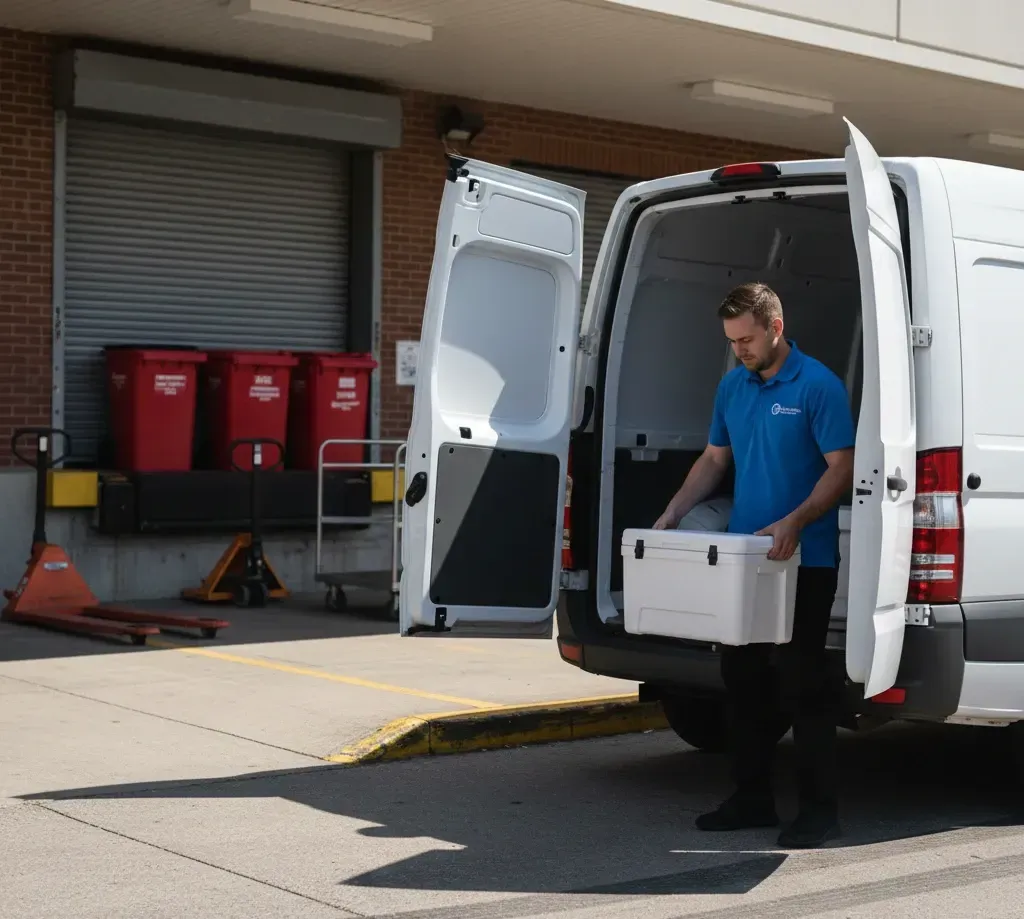
When a carrier picks up a medical load, they sign on for HIPAA duties. They must secure data and report issues. Failure hits everyone involved with fines up to $50,000 per violation.
Logistics firms now train staff on PHI rules. They use contracts to bind all parties. This chain keeps patient info safe from leaks.
Security Rule Mandates for Physical Transpor
Implementing Technical and Physical Safeguards During Transit
HIPAA's Security Rule requires safeguards for electronic PHI. It also covers physical steps for transport. These protect against unauthorized access.
Start with vehicle checks. Lock trucks and use GPS trackers. For containers, choose ones that seal tight.
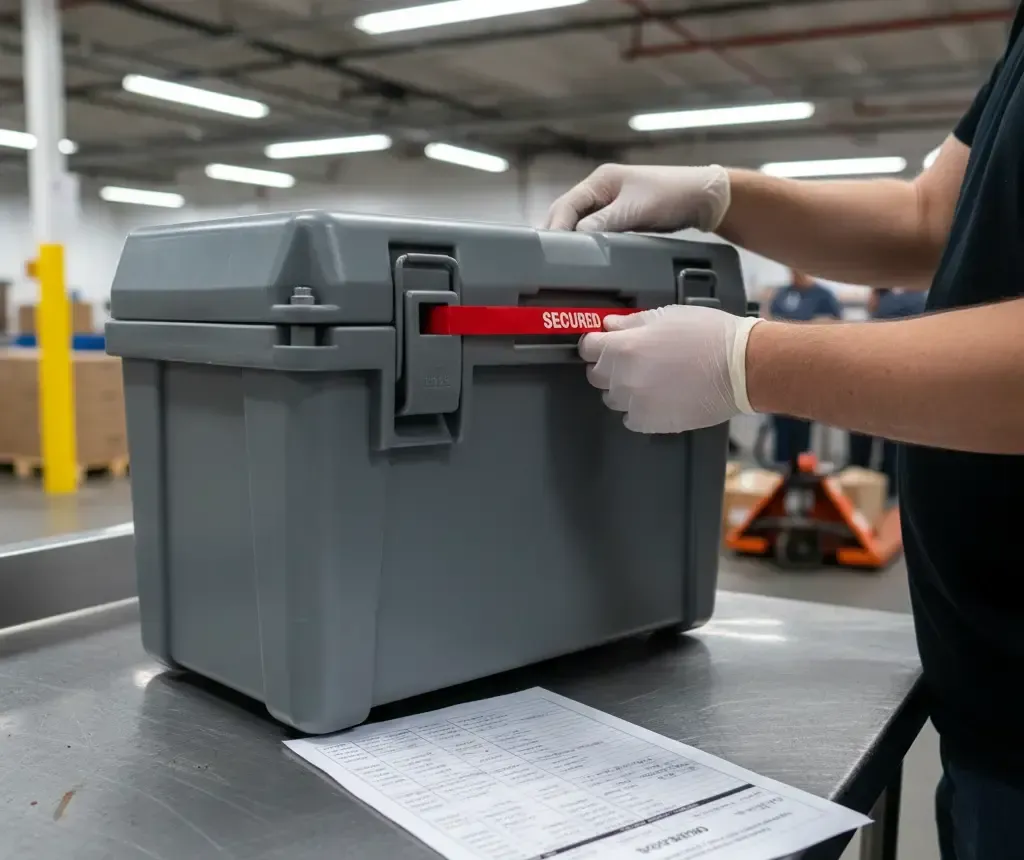
Tamper-evident bags show if someone opens them. Locked boxes prevent quick grabs. If a driver steps away, chain the load to the truck.
For high-risk items like blood samples, use numbered seals. Track each one from load to drop-off. This cuts theft chances by over 70%, per industry reports.
Procedures matter for breaks or stops. Drivers log every handoff. No unattended packages in public spots.
Data Encryption and Access Control for Shipping Documents
Digital files pose big risks in transit. Electronic manifests list patient details. Delivery apps send confirmations with PHI.
Encrypt all this data with strong tools. AES-256 is the standard for HIPAA. It scrambles info so thieves see nonsense.
Limit access with passwords and roles. Only drivers need route views. No full PHI for warehouse workers.
Use secure portals for updates. Wipe devices after shifts. This stops data from lingering on lost phones.
In one case, a courier firm faced a $1.5 million fine for unencrypted emails. Now, they mandate VPNs for all transfers. Simple steps like these block most breaches.
Is Your Current Shipping Partner a Risk?
Speak with a specialist today for a confidential review of your logistics.
Administrative Procedures for Supply Chain Oversight
Establishing Robust Business Associate Agreements (BAAs) for Logistics Partners
BAAs are contracts that tie partners to HIPAA. They spell out PHI handling rules. Every carrier must have one.
Key parts include permitted uses. Partners can only view PHI for delivery tasks. No sharing with outsiders.
Breach notice is vital. If PHI leaks, notify the entity in 60 days. Include details on what happened and how to fix it.
Audit rights let the entity check records. Carriers must allow site visits. This ensures ongoing compliance.
Sample clause: "Carrier agrees to safeguard PHI with safeguards at least as strict as those required by HIPAA." Sign before any shipment starts.
Training and Accountability: Ensuring Personnel Adherence
Staff need regular training on HIPAA. Logistics teams touch PHI daily. Drivers see labels; packers handle docs.
Cover basics like spotting PHI and reporting risks. Use real examples, such as a lost box with patient names.
Annual sessions are required. Document who attends and what they learn. This proves compliance if audited.
Hold people accountable with policies. Wrong moves lead to discipline. One firm cut incidents by 40% after mandatory quizzes.
Train on tools too. How to use encrypted apps or seal packages right. Keep records for three years.
Addressing Security Risks Specific to Medical Deliveries

Mitigating Risks Associated with Temperature Control and Chain of Custody
Cold chain meds like insulin need steady temps. Breaks spoil drugs and expose logs. Those logs link batches to patients.
Use insulated boxes with gel packs. Monitor with IoT sensors that alert on changes. Data from these ties to PHI if not secured.
Chain of custody tracks every touch. Sign off at pickup, stops, and delivery. Gaps invite tampering.
In 2023, a delayed cold shipment led to $2 million in losses. PHI in the temp logs leaked too. Sensors now ping in real time to avoid this.
Backup power for trucks keeps fridges running. Test routes for hot zones. These steps save products and privacy.
Protocols for Delivery Exceptions, Delays, and Proof of Delivery (POD)
Delays happen from weather or traffic. Protocols must cover them. Document each try with photos and notes.
For no-shows, store packages in secure spots. Redeliver fast and log the why. Keep PHI out of public views.
POD forms confirm receipt. Use digital ones with e-signs. Avoid paper slips with names.
Common errors include wrong addresses. One carrier rerouted 500 packages wrong in 2024, exposing PHI. Now, they double-check manifests.
Minimize exposure time. Hand off in under five minutes. If left, use lockers with codes tied to recipients.
Breach Response and Continuous Compliance Monitoring
The 60-Day Clock: Mandatory Breach Notification Procedures
A breach means PHI access by the wrong eyes. In transit, this hits from lost trucks or hacks. Act quick.
HIPAA sets a 60-day limit for notice. Tell affected patients if over 500 impacted. Media too for big ones.
Steps: Assess the breach. Find what PHI lost. Then notify HHS within 60 days.
For a stolen van in 2022, a pharma firm paid $6.85 million. They delayed reports. Train teams to spot and report fast.
Keep response plans ready. Test them yearly. This cuts damage and fines.
Auditing Logistics Partners for Ongoing HIPAA Adherence
Check partners often. Review logs every quarter. Look for security fails or incidents.
Ask for certs like SOC 2. These show strong controls. Spot-check deliveries too.
Tip: Run mock breaches. See how they respond. Fix weak spots right away.
One audit found unencrypted drives in a fleet. They fixed it before real trouble. Audits build trust and compliance.
Track metrics like breach rates. Aim for zero. Share findings to improve the chain.
Protecting Every Delivery
HIPAA ties physical locks, data scrambles, and firm BAAs into one shield. These guard PHI from origin to door. Medical transit stays safe this way.
Compliance goes beyond rules. It saves patients and builds faith in supply lines. Skip it, and risks pile up fast.
Audit your
logistics partners now. Match them to these standards. Start today to protect every delivery.
Don't Wait for a Breach to Act.
Contact us now to build a truly secure, HIPAA-protected delivery framework.